WHAT IS A CONVEYOR PULLEY?

INTRODUCTION
A conveyor pulley, also referred to as a drive pulley or idler pulley, is a critical mechanical component in conveyor systems that transmits power to move the conveyor belt. Shaped as a cylindrical wheel, it typically features a grooved or smooth surface to grip the belt and prevent slippage, often made from materials like steel, cast iron, or polyurethane to withstand varying loads and environmental conditions. Drive pulleys are connected to motors to initiate belt movement, while idler pulleys support the belt’s path and maintain tension. Key functions include enabling continuous material transport, ensuring belt alignment, and optimizing power transmission efficiency. Widely used in industries such as manufacturing, logistics, and mining, conveyor pulleys are essential for automating the movement of goods, from lightweight packages to heavy bulk materials, by converting rotational energy into linear motion along the conveyor path.
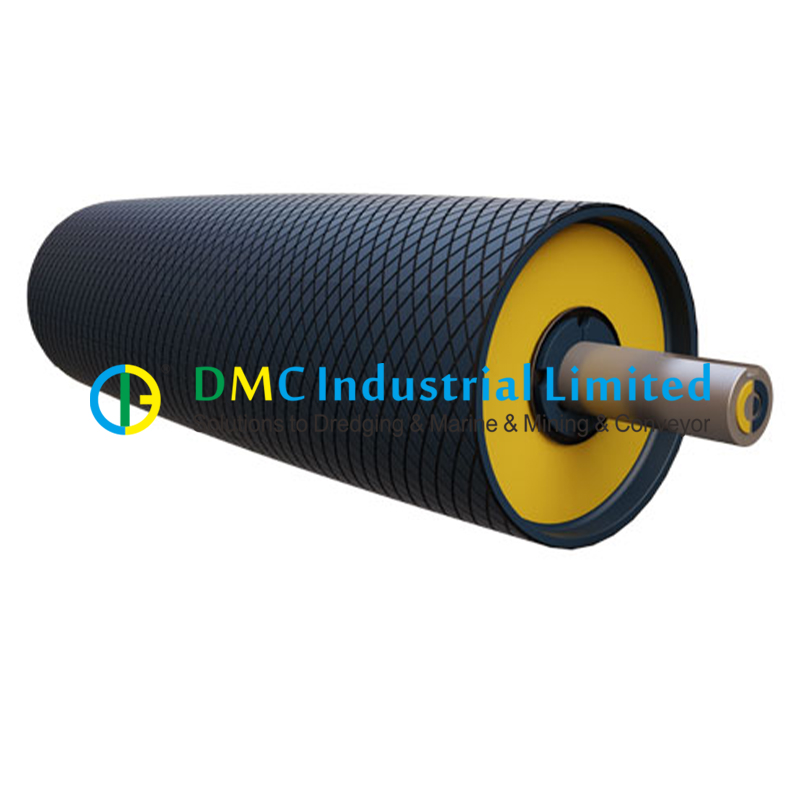
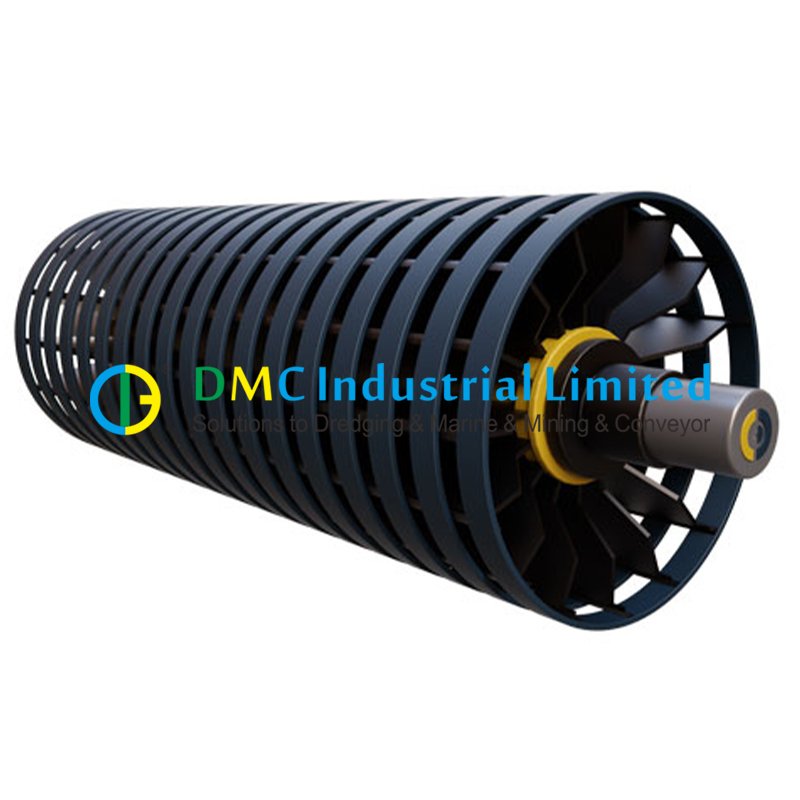
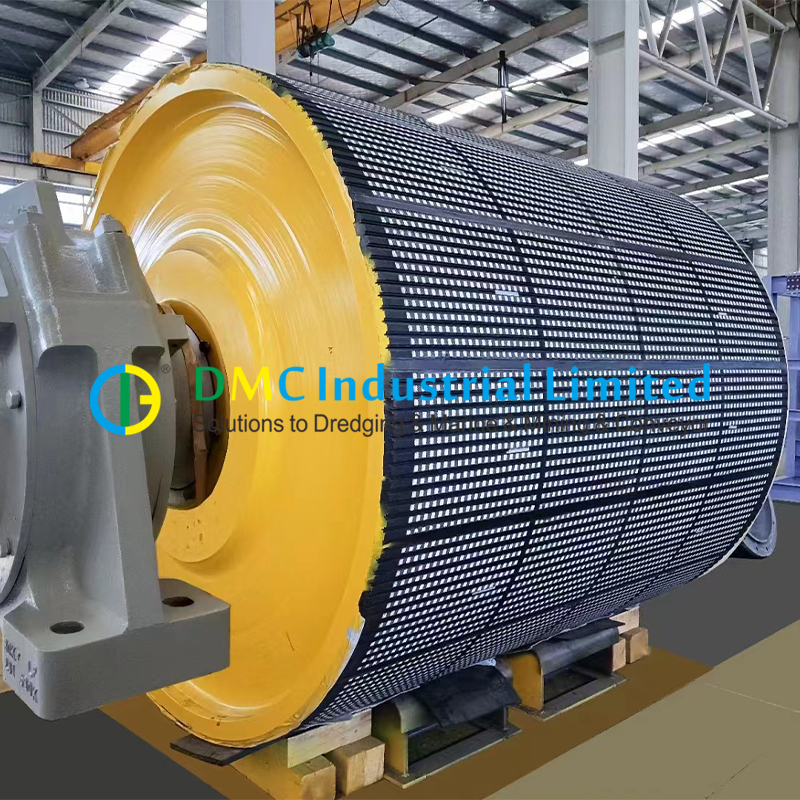
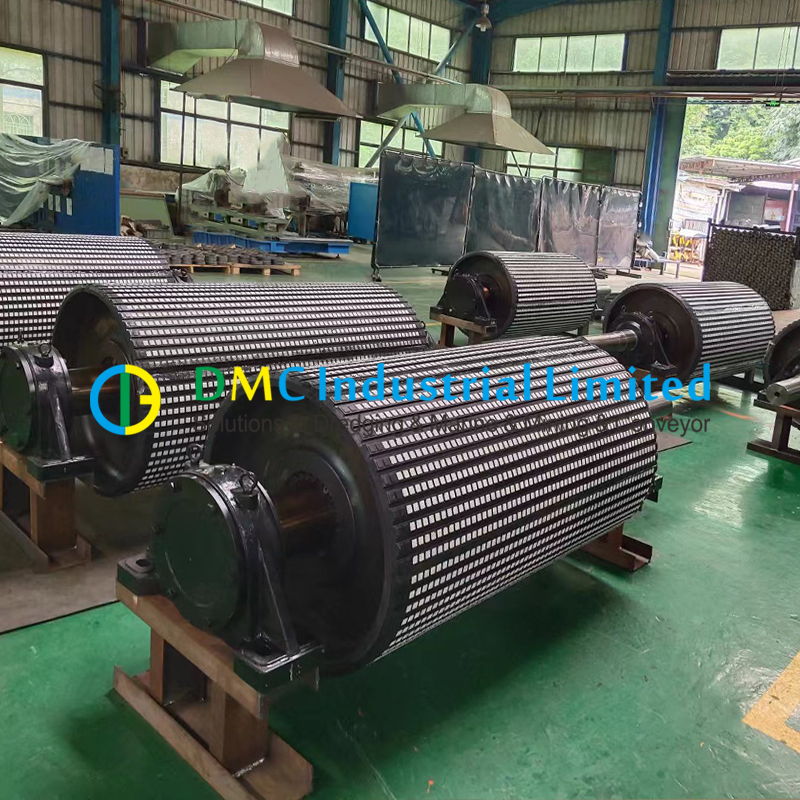
The roller conveyors are used in the fields of E-commerce,logistics and distribution,baverage,food distribution,pharmacy,tobacco,clothing,postal express, pallets, carton boxes,airport,packaging, plywood processing, foods, mining and any other conveyor industries widely.
BASICS OF CONVEYOR PULLEYS
A conveyor pulley is a critical component in a conveyor system, designed to perform several key functions including changing the direction of the conveyor belt, driving the belt, and providing tension to the belt. Understanding the basic structure and function of these pulleys is essential for anyone involved in the design, maintenance, or operation of conveyor systems.
Structure of Conveyor Pulleys: Modern conveyor pulleys are typically constructed from durable materials like steel or aluminum. They consist of a cylindrical drum, rolled shells with flexible end disks, and locking assemblies. The end disks are designed to transmit the load from the pulley to the bearings and prevent the shell from flexing under load. The locking assemblies secure the pulley to the shaft, ensuring a tight connection.
Type of Shells:The shells of conveyor pulleys can be made of different materials and designs depending on the application. Some are smooth, while others might have grooves or patterns to improve grip with the conveyor belt.
Lagging:Many conveyor pulleys feature a lagging surface on the shell. Lagging can be made of various materials such as rubber or ceramic and provides increased friction between the pulley and the belt. This helps to prevent belt slippage, especially in drive pulleys, and extends the life of the belt by reducing wear.
Function in Conveyor Systems:
·Directional Change and Drive: Pulleys are strategically placed in the conveyor system to guide and change the direction of the belt. Drive pulleys, connected to motors, are the primary source of motion for the conveyor belt.
·Tensioning: Tail pulleys and take-up pulleys provide necessary tension to the belt, preventing slippage on the drive pulley and sagging between idlers.
Dynamic Balancing:High-quality conveyor pulleys are dynamically balanced. This balancing reduces vibration, which is crucial for the longevity of the conveyor system and for maintaining smooth and efficient operation, especially at high speeds.
Bearing and Hub Assembly: Bearings are a crucial part of the pulley assembly, allowing for smooth rotation. The hub and shaft design can vary depending on the load and application, with options for fixed or adjustable hubs to accommodate different conveyor designs and requirements.
Customization for Specific Needs: Conveyor pulleys can be customized to fit specific operational needs. This includes considerations for size, material, load capacity, environmental conditions, and the specific type of conveyor belt being used.
In summary, conveyor pulleys are highly engineered components that play a vital role in the functionality of conveyor systems. Their design and construction are tailored to the specific requirements of the system, ensuring efficient and reliable operation. Understanding these basics is fundamental for anyone working with conveyor technology, whether in design, maintenance, or operation.
|
TYPES OF CONVEYOR PULLEYS
|
|
Drive Pulley
|
Positioned at the discharge end, the drive pulley provides the driving force to the belt. It's essential in transferring the power from the drive motor to the belt. This pulley is a critical component in virtually all conveyor systems.
|
|
Tail Pulley
|
Located at the conveyor's loading end, the tail pulley serves two primary functions. It provides tension to the conveyor belt and acts as a tracking device, ensuring the belt runs straight and true. Its presence is vital for maintaining belt alignment and performance.
|
|
Take-Up Pulley
|
This pulley type is integral in maintaining the desired tension in the conveyor belt. Especially important in long conveyor systems, the take-up pulley prevents the belt from slipping or sagging, ensuring consistent tension throughout the conveyor's operation.
|
|
Snub Pulley
|
Situated near the drive pulley, the snub pulley's main function is to increase the angle of wrap of the belt around the drive pulley, thereby enhancing the grip and traction of the belt. This is particularly beneficial in heavy-duty conveying applications.
|
|
Bend Pulley
|
The bend pulley's role is to redirect the conveyor belt from the drive pulley to the tail pulley. It prevents the belt from direct contact and friction against the conveyor structure, thus reducing wear and extending the life of the belt.
|
|
Idler Pulley
|
These are non-powered pulleys that rotate freely, providing support to the conveyor belt and the material being transported. Idler pulleys are essential for maintaining the shape and tension of the conveyor belt, particularly in long conveyor systems.
|
SELECTION CRITERIA FOR CONVEYOR PULLEYS:
Choosing the appropriate conveyor pulley is crucial for the efficiency and longevity of the conveyor system. Here are several key factors to consider when selecting a conveyor pulley:
Load Weigth:The weight of the materials being transported is a primary consideration. Heavier loads require stronger, more robust pulleys that can withstand the increased stress and weight without deformation or failure.
Belt Speed: The speed at which the conveyor belt operates influences the type of pulley required. High-speed systems may need pulleys designed for reduced vibration and noise, as well as enhanced stability.
Belt Width and Type:The width and type of the conveyor belt determine the size and design of the pulley. Wider belts require larger pulleys to maintain the belt's path and tension. The material of the belt (like rubber, fabric, or metal) also affects the pulley choice, as different materials interact differently with pulley surfaces.
Environment and Application: The operating environment is critical. Pulleys used in environments with high humidity, temperature, or exposure to corrosive substances may need to be made of special materials or have protective coatings to withstand these conditions.
Material and Build Quality:The durability of the pulley is significantly influenced by its material and build quality. Common materials include steel, stainless steel, and aluminum, each offering different benefits in terms of strength, weight, and corrosion resistance.
Drive Requirements: The choice between a drive pulley and an idler pulley depends on whether the pulley will be powering the belt or simply providing tension and support. Drive pulleys typically have a more robust construction and may feature lagging to increase friction with the belt.
Pully Diameter:The diameter of the pulley should match the requirements of the belt and the system's operational needs. Larger diameters provide a greater surface area for the belt, reducing wear and extending the belt's life.
Shaft Alignment and Mounting:Proper shaft alignment and mounting style are essential for the pulley's performance. Misalignment can cause premature wear and reduce efficiency.
Lifespan and Maintenance Requiremengts: Consider the expected lifespan of the pulley and the maintenance it requires. Some pulleys are designed for easy maintenance and part replacement, which can be a significant advantage in reducing downtime.
By carefully considering these factors, you can select a conveyor pulley that not only matches your specific needs but also contributes to the overall efficiency and longevity of your conveyor system. Proper selection ensures that the conveyor operates smoothly, with minimal maintenance and downtime, thus improving operational efficiency.
MAINTENANCE AND SAFETY
Regular maintenance of conveyor pulleys is not only vital for prolonging their lifespan but also crucial in maintaining workplace safety. A well-maintained conveyor system minimizes the risk of malfunctions that could
lead to accidents or costly downtime. Here are some key aspects to consider:
Routine Inspections:Regular inspections are the first line of defense in pulley maintenance. This involves checking for signs of wear and tear, such as cracks, rust, or abrasion on the pulleys. It's also important to
inspect the alignment of the pulleys and the tension of the conveyor belt, as misalignment can lead to uneven wear and potential system failures.
Lubrication:Proper lubrication of pulleys is essential to reduce friction, prevent overheating, and extend the life of the components. It's important to use the correct type of lubricant as specified by the manufacturer and to apply it at the recommended intervals.
Cleaning: Regular cleaning of conveyor pulleys can prevent the build-up of debris that might interfere with the system's operation. This includes removing any accumulated dust, dirt, or grime from the pulley surfaces.
Replacement of Worn Parts:Over time, pulleys and other conveyor parts will wear out and need replacement. It's crucial to replace these parts promptly to avoid further damage to the system and potential safety
hazards.
Training and Safety Guidelines:Ensuring that all operators and maintenance personnel are properly trained on the correct use and upkeep of conveyor systems is critical. Adherence to safety guidelines and operational protocols cannot be overstressed. This includes using appropriate personal protective equipment, understanding emergency shut-off procedures, and being aware of potential hazards associated with conveyor systems.
Record Keeping:Maintaining detailed records of maintenance activities, including inspections, repairs, and replacements, can help track the conveyor system's health and predict when maintenance will be needed. This proactive approach can prevent unexpected breakdowns and extend the equipment's lifespan.
By integrating these maintenance and safety practices, businesses can ensure their conveyor systems operate efficiently, safely, and reliably. Regular upkeep not only protects the investment in conveyor technology but also safeguards the well-being of those who operate and work around these systems.
INSPECTIONS
Quality runs through the whole process from material to delivery.

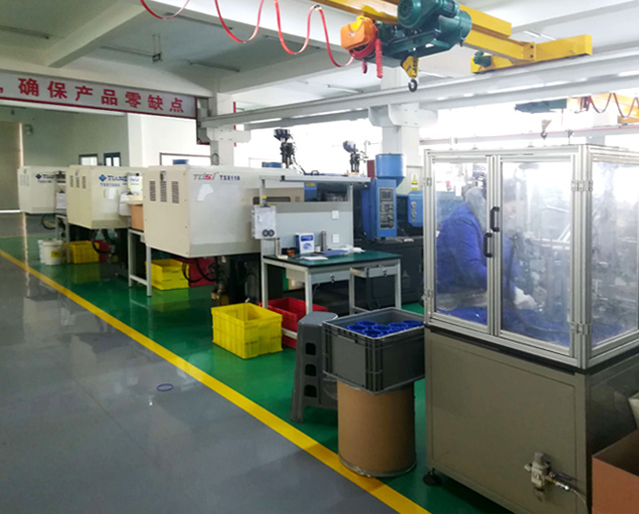
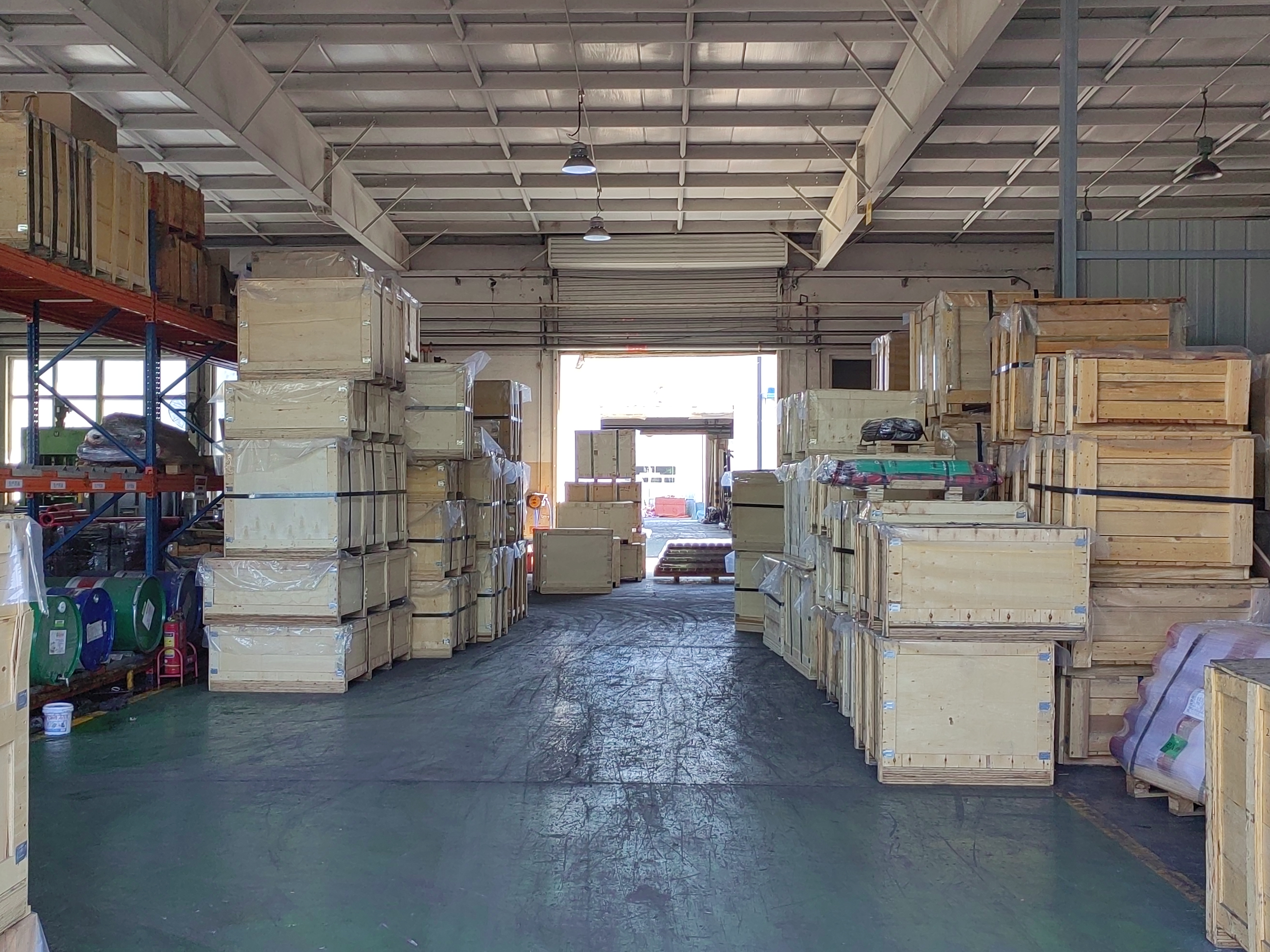
DMC INDUSTRIAL LIMITED is a professional supplier with different kinds of conveyor, dredging, marine industrial products, such like Conveyor Rollers, HDPE Rollers, Nylon Rollers, Rubber Rollers, PU Rollers, Teflon Rollers, PTFE Rollers, UHMWPE Rollers, Impact Rollers, Stainless Rollers, Conveyor Idlers, Conveyor Pulleys, Conveyor Drums, PU Wheels, PU Pulleys, Polyurethane Rollers, PU Linings, PU Seals, PU Screens, PU Screens, PU Scrapers, Conveyor Belt, Belt Cleaner, Impact Bed, Crushers, Dredging Pipes, Dredging Hoses ,HDPE Floats, UHMWPE Fenders, Mooring Buoys, Chains and other Bulk Material Handling Conveyor Components& Equipments so on.
All DMC rollers are designed on sound engineering principles with specific attention to achieve:
• Better balance for lower vibration levels
• Increased bearing life
• Less shell wear
• Reduced power consumption
• Quieter running
We can provide OEM brand service with premium quality, and produce non -standard products according to clients' drawings.
Based on accumulated experiences and technological capabilities, DMC provides the best solutions and services to our customers which brings very obvious economic benefits and social benefits.
"Cheaper cost, better quality, longer life "is the aim of DMC company seek for and we keeps to provide excellent products and services to our customers.
Looking forward to cooperating with you!
Add: Office 411, Qingchun Building, NO. 855 Xinsong Road, Minhang District, Shanghai, China
DMC INDUSTRIAL LIMITED
Tel: +86-021-52236369
Email: info@dmc-industrial.com
Fax: +86-021-52236369