SELECTION CRITERIA FOR CONVEYOR PULLEYS
Choosing the appropriate conveyor pulley is crucial for the efficiency and longevity of the conveyor system. Here are several key factors to consider when selecting a conveyor pulley:
Load Weigth: The weight of the materials being transported is a primary consideration. Heavier loads require stronger, more robust pulleys that can withstand the increased stress and weight without deformation or failure.
Belt Speed: The speed at which the conveyor belt operates influences the type of pulley required. High-speed systems may need pulleys designed for reduced vibration and noise, as well as enhanced stability.
Belt Width and Type:The width and type of the conveyor belt determine the size and design of the pulley. Wider belts require larger pulleys to maintain the belt's path and tension. The material of the belt (like rubber, fabric, or metal) also affects the pulley choice, as different materials interact differently with pulley surfaces.
Environment and Application:The operating environment is critical. Pulleys used in environments with high humidity, temperature, or exposure to corrosive substances may need to be made of special materials or have protective coatings to withstand these conditions.
Material and Build Quality:The durability of the pulley is significantly influenced by its material and build quality. Common materials include steel, stainless steel, and aluminum, each offering different benefits in terms of strength, weight, and corrosion resistance.
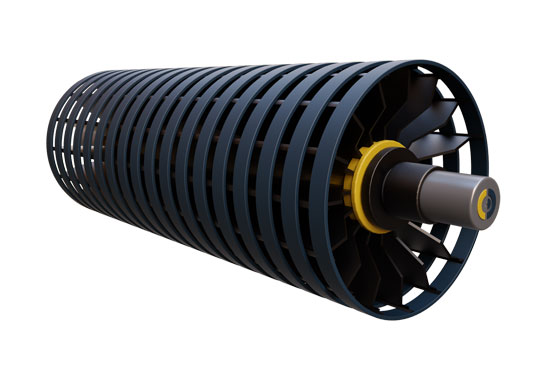
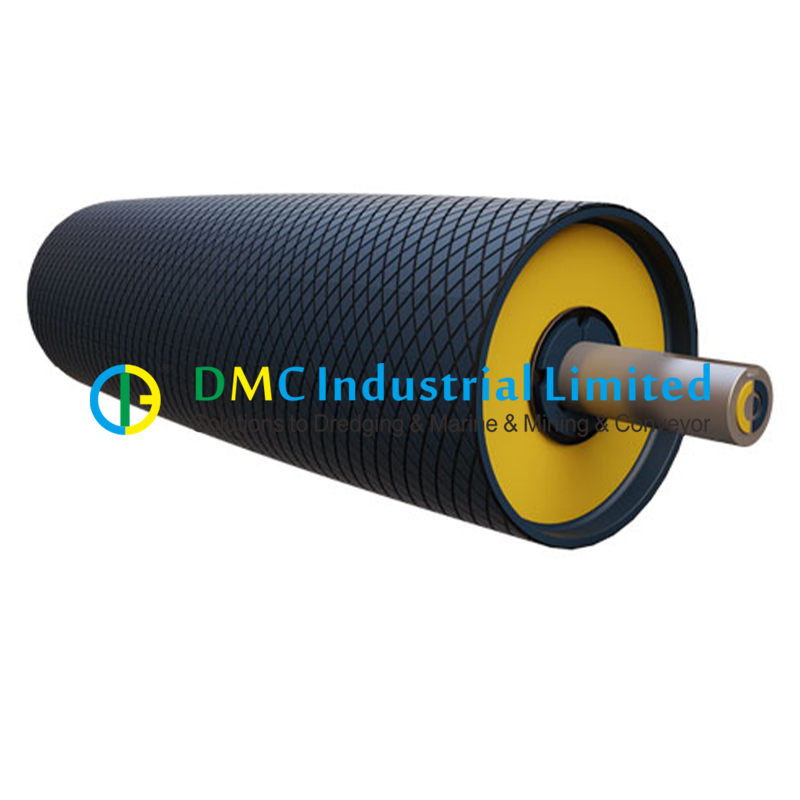
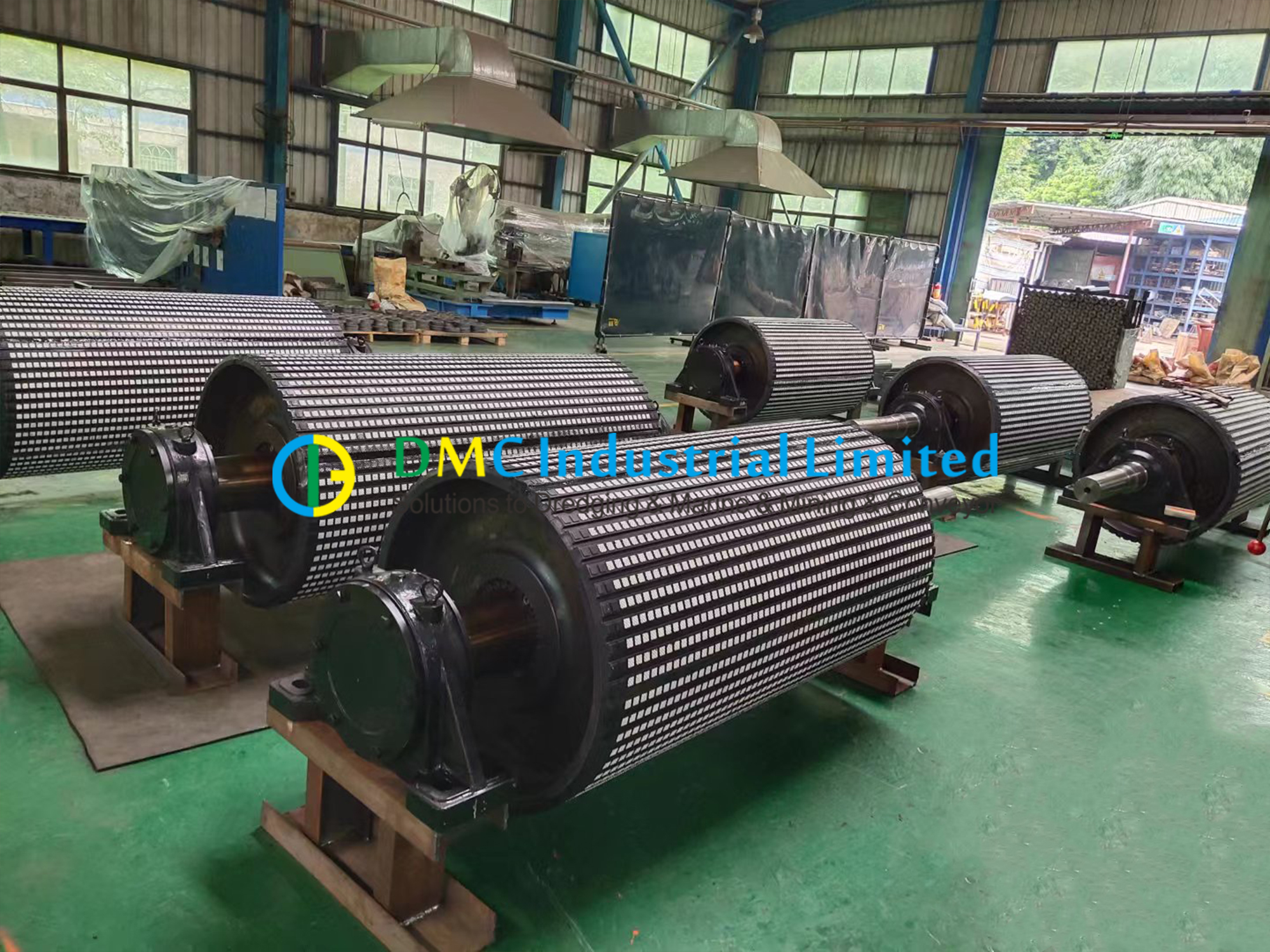
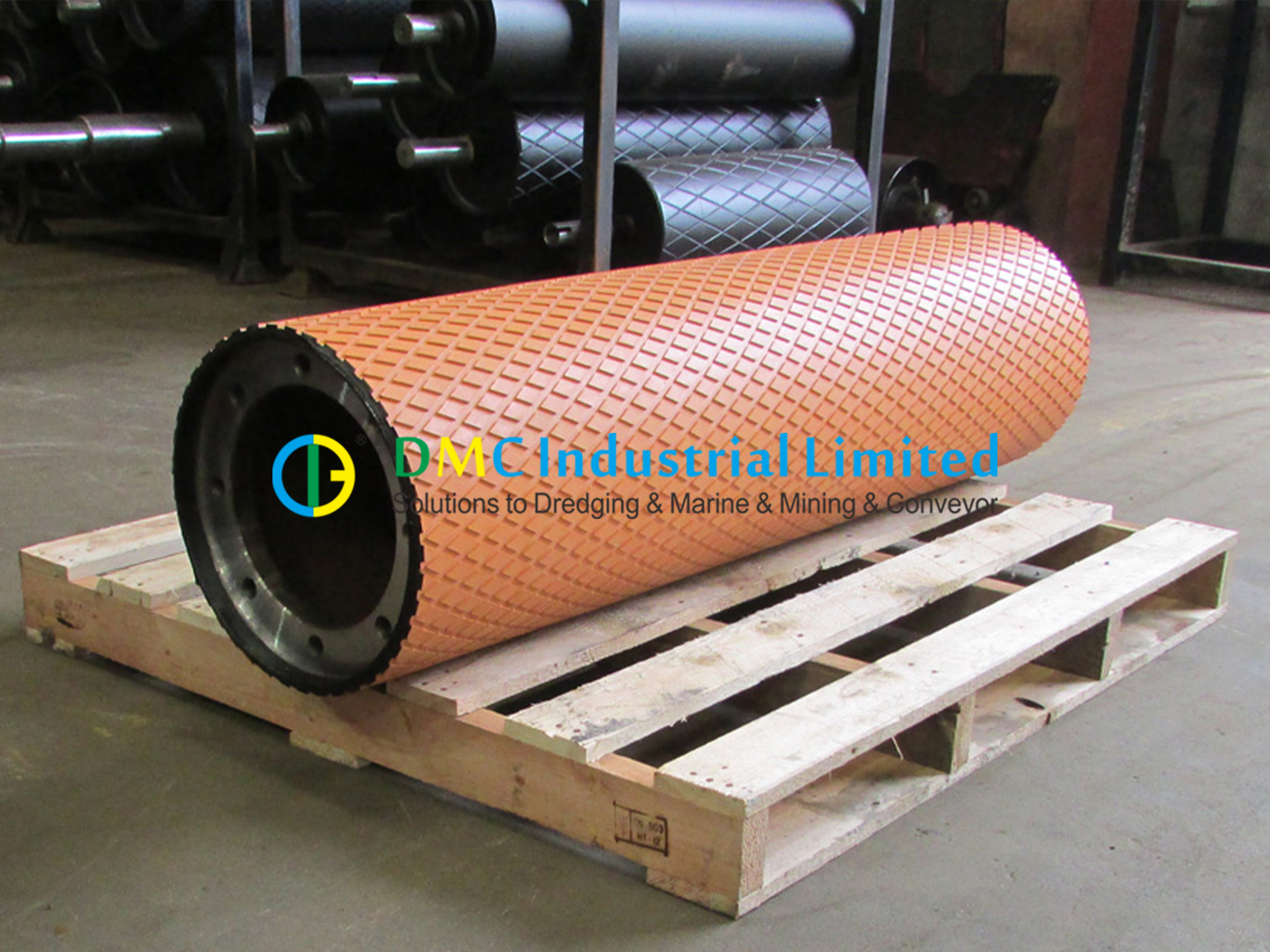
Drive Requirements: The choice between a drive pulley and an idler pulley depends on whether the pulley will be powering the belt or simply providing tension and support. Drive pulleys typically have a more robust construction and may feature lagging to increase friction with the belt.
Pully Diameter: The diameter of the pulley should match the requirements of the belt and the system's operational needs. Larger diameters provide a greater surface area for the belt, reducing wear and extending the belt's life.
Shaft Alignment and Mounting:Proper shaft alignment and mounting style are essential for the pulley's performance. Misalignment can cause premature wear and reduce efficiency.
Lifespan and Maintenance Requiremengts: Consider the expected lifespan of the pulley and the maintenance it requires. Some pulleys are designed for easy maintenance and part replacement, which can be a significant advantage in reducing downtime.
By carefully considering these factors, you can select a conveyor pulley that not only matches your specific needs but also contributes to the overall efficiency and longevity of your conveyor system. Proper selection ensures that the conveyor operates smoothly, with minimal maintenance and downtime, thus improving operational efficiency.
MAINTENANCE AND SAFETY
Regular maintenance of conveyor pulleys is not only vital for prolonging their lifespan but also crucial in maintaining workplace safety. A well-maintained conveyor system minimizes the risk of malfunctions that could lead to accidents or costly downtime. Here are some key aspects to consider:
Routine Inspections:Regular inspections are the first line of defense in pulley maintenance. This involves checking for signs of wear and tear, such as cracks, rust, or abrasion on the pulleys. It's also important to inspect the alignment of the pulleys and the tension of the conveyor belt, as misalignment can lead to uneven wear and potential system failures.
Lubrication:Proper lubrication of pulleys is essential to reduce friction, prevent overheating, and extend the life of the components. It's important to use the correct type of lubricant as specified by the manufacturer and to apply it at the recommended intervals.
Cleaning:Regular cleaning of conveyor pulleys can prevent the build-up of debris that might interfere with the system's operation. This includes removing any accumulated dust, dirt, or grime from the pulley surfaces.
Replacement of Worn Parts: Over time, pulleys and other conveyor parts will wear out and need replacement. It's crucial to replace these parts promptly to avoid further damage to the system and potential safety hazards.
Training and Safety Guidelines: Ensuring that all operators and maintenance personnel are properly trained on the correct use and upkeep of conveyor systems is critical. Adherence to safety guidelines and operational protocols cannot be overstressed. This includes using appropriate personal protective equipment, understanding emergency shut-off procedures, and being aware of potential hazards associated with conveyor systems.
Record Keeping:Maintaining detailed records of maintenance activities, including inspections, repairs, and replacements, can help track the conveyor system's health and predict when maintenance will be needed. This proactive approach can prevent unexpected breakdowns and extend the equipment's lifespan.
By integrating these maintenance and safety practices, businesses can ensure their conveyor systems operate efficiently, safely, and reliably. Regular upkeep not only protects the investment in conveyor technology but also safeguards the well-being of those who operate and work around these systems.